


South Korea Clothes Market: Trends, Drivers & Strategic Insights for Fashion Stakeholders
- Sophia Grace
- Nov 17, 2025
- 5 min read

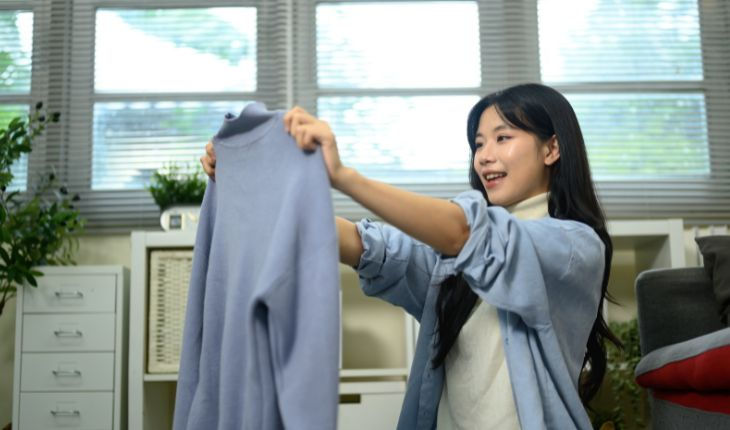
The South Korea clothes market is rapidly evolving, driven by shifting consumer preferences, technological advancements, and cultural influence. Known for its global cultural impact through K-pop, K-drama, and its fashion-forward streetwear culture, South Korea is setting the pace in the global fashion industry. As consumers in the region demand more diverse, trendy, and sustainable clothing options, businesses in the apparel sector must adapt quickly to stay competitive.
This blog explores the key drivers, market trends, and opportunities within the South Korea clothes market, offering valuable insights into how businesses can thrive in this dynamic landscape.
Understanding the South Korea Clothes Market
The South Korea clothes market encompasses a wide variety of apparel, from everyday clothing and athleisure to high-end designer pieces. With a population that values fashion, style, and individuality, South Korea has become a key market for both domestic and international clothing brands. The market is characterized by high competition, with brands vying to meet the demands of fashion-conscious consumers who are influenced by K-pop stars, influencers, and global fashion trends.
South Korea is also witnessing a shift in consumer behavior, with more people opting for convenience, quality, and sustainability in their fashion choices. This evolving demand is reshaping the retail landscape, pushing brands to innovate and cater to both traditional and modern preferences.
Key Drivers of Growth in the South Korea Clothes Market
The Influence of K-pop and K-drama
One of the biggest drivers of the South Korean fashion market is the global rise of K-pop and K-drama. The fashion choices of K-pop idols and K-drama stars are closely followed by millions of fans worldwide. This cultural phenomenon has created a massive demand for trendy, youth-oriented clothing and accessories that reflect the styles seen in popular media. As a result, both domestic and international brands are keen to tap into this market, launching collaborations and collections inspired by K-pop idols.
Rise of E-commerce and Online Shopping
South Korea boasts one of the highest internet penetration rates globally, and the shift towards online shopping has been a significant factor in the growth of the clothes market. Consumers, especially millennials and Gen Z, prefer the convenience of shopping online, with mobile platforms making it even easier to purchase apparel from global and local brands. E-commerce offers a wider variety of products, quicker delivery times, and better access to international fashion trends, further driving demand for clothing items across South Korea.
Growing Focus on Sustainability
Sustainability has become an important consideration for South Korean consumers. As environmental awareness increases, more people are seeking eco-friendly clothing options made from sustainable materials. The demand for organic cotton, recycled fabrics, and clothing produced through ethical manufacturing processes is on the rise. Brands that promote sustainable practices and transparent supply chains are gaining favor, particularly among the younger demographic who values both style and social responsibility.
Urbanization and Changing Lifestyles
South Korea’s rapid urbanization, particularly in cities like Seoul, has led to changing lifestyles and fashion preferences. The busy, on-the-go lifestyle of city dwellers has driven the popularity of athleisure and casual wear. Consumers are seeking comfortable yet stylish clothing that fits their active, fast-paced routines. This has given rise to a growing market for versatile, multifunctional apparel that can seamlessly transition from work to leisure.
Market Segmentation and Key Areas of Focus
By Product Type
The South Korean clothes market is segmented into various product categories, with some of the most prominent being:
Casual Wear: Driven by the rise in streetwear and athleisure trends, casual wear is the dominant category in the market. Popular products include t-shirts, hoodies, leggings, and casual jackets.
Formal Wear: While casual wear is on the rise, there is still strong demand for formal clothing, particularly among professionals and older demographics. This includes business suits, dresses, and tailored outfits.
Sportswear: As fitness culture grows, so does the demand for sportswear. Whether it's for the gym, outdoor activities, or simply as part of everyday wear, activewear is becoming an integral part of South Korean wardrobes.
Luxury Apparel: South Korea is a key market for luxury fashion brands, especially in metropolitan areas like Seoul. Consumers are increasingly investing in high-end clothing, driven by rising disposable income and the influence of international fashion brands.
By Distribution Channel
E-commerce: The largest and fastest-growing distribution channel in South Korea. E-commerce platforms, mobile shopping apps, and social media influencers have made online shopping highly popular.
Retail Stores: Despite the boom in online shopping, physical retail stores still play a significant role, particularly for high-end and luxury brands. Department stores and standalone boutiques remain important for consumers seeking to experience products before purchase.
Omnichannel: Many brands are now integrating their online and offline experiences to offer customers a seamless shopping journey. This includes offering in-store pickup for online orders, real-time inventory updates, and loyalty programs that bridge the gap between digital and physical shopping.
By Consumer Demographics
The South Korean clothes market is driven by a broad range of consumers, but millennials and Gen Z are particularly influential. These groups are highly fashion-conscious, tech-savvy, and responsive to global trends. Additionally, a growing focus on gender-neutral and inclusive fashion is reshaping the market, as brands cater to a wider range of body types and preferences.
Emerging Trends in the South Korea Clothes Market
The Rise of Fast Fashion
Fast fashion has seen a significant rise in South Korea, especially among younger consumers. Brands like Zara, H&M, and local players are capitalizing on this demand by offering trendy, affordable clothing that quickly reflects the latest global fashion trends. Fast fashion appeals to consumers who want to keep up with the latest styles without breaking the bank.
The Influence of K-Beauty on Fashion
There is a growing crossover between the beauty and fashion industries in South Korea. K-beauty trends often influence fashion choices, with certain colors, styles, and accessories becoming popular based on beauty trends seen in K-dramas and through influencer marketing. The integration of fashion and beauty is helping to further boost demand for new clothing collections.
Customization and Personalization
Consumers in South Korea are increasingly seeking clothing that allows for personalization. This can range from monogrammed accessories to custom-made shirts, dresses, and even shoes. Retailers that offer customization options are tapping into a growing demand for unique, one-of-a-kind products.
Challenges in the South Korea Clothes Market
Despite its growth, the South Korea clothes market faces several challenges. Intense competition among local and international brands makes it difficult for new players to break in. Additionally, rising production costs, supply chain disruptions, and the fast pace of fashion trends can make it challenging for companies to keep up with consumer demand.
Future Outlook
The South Korea clothes market is poised for continued growth, driven by shifting consumer behaviors, technological advancements in retail, and cultural influence. The rising focus on sustainability, the growth of e-commerce, and the influence of K-pop and K-drama will continue to shape the market’s future direction. For businesses looking to succeed, it’s essential to stay ahead of trends, invest in omnichannel strategies, and align products with the evolving demands of today’s conscious, fashion-forward consumers.


Comments